
Wellness Myths You Can Stop Believing
Somewhere along the way, a few wellness ideas got repeated so often they started to feel like facts, and most of them just make healthy living harder than it needs to be. Here are four common myths worth letting go of, and the simpler truths that actually last.

Wellness comes with a lot of noise. Somewhere along the way, a handful of ideas got repeated so often that they started to feel like facts, and many of them quietly make wellness harder than it needs to be. They lead to overloaded shelves, guilt over missed days, and routines so complicated they collapse under a normal week. Clearing out the myths is one of the simplest ways to build something that actually lasts. Here are four worth letting go of, and what tends to be true instead.
Myth #1
More Supplements Are Always Better
It is easy to assume that if one supplement is good, ten must be better. In practice, a crowded shelf is usually a sign of a routine that is hard to keep, not a healthier one. More bottles mean more decisions, more steps, and more chances to fall off entirely. Nutrients also work together in balance, and simply stacking more of everything does not reliably translate to better outcomes.
A more useful approach is to start with one solid, well-formulated foundation and add only what fits your needs, rather than assembling a dozen bottles at random. A single comprehensive daily covers a broad base without turning your morning into a project. From there, you can layer in a targeted product or two.
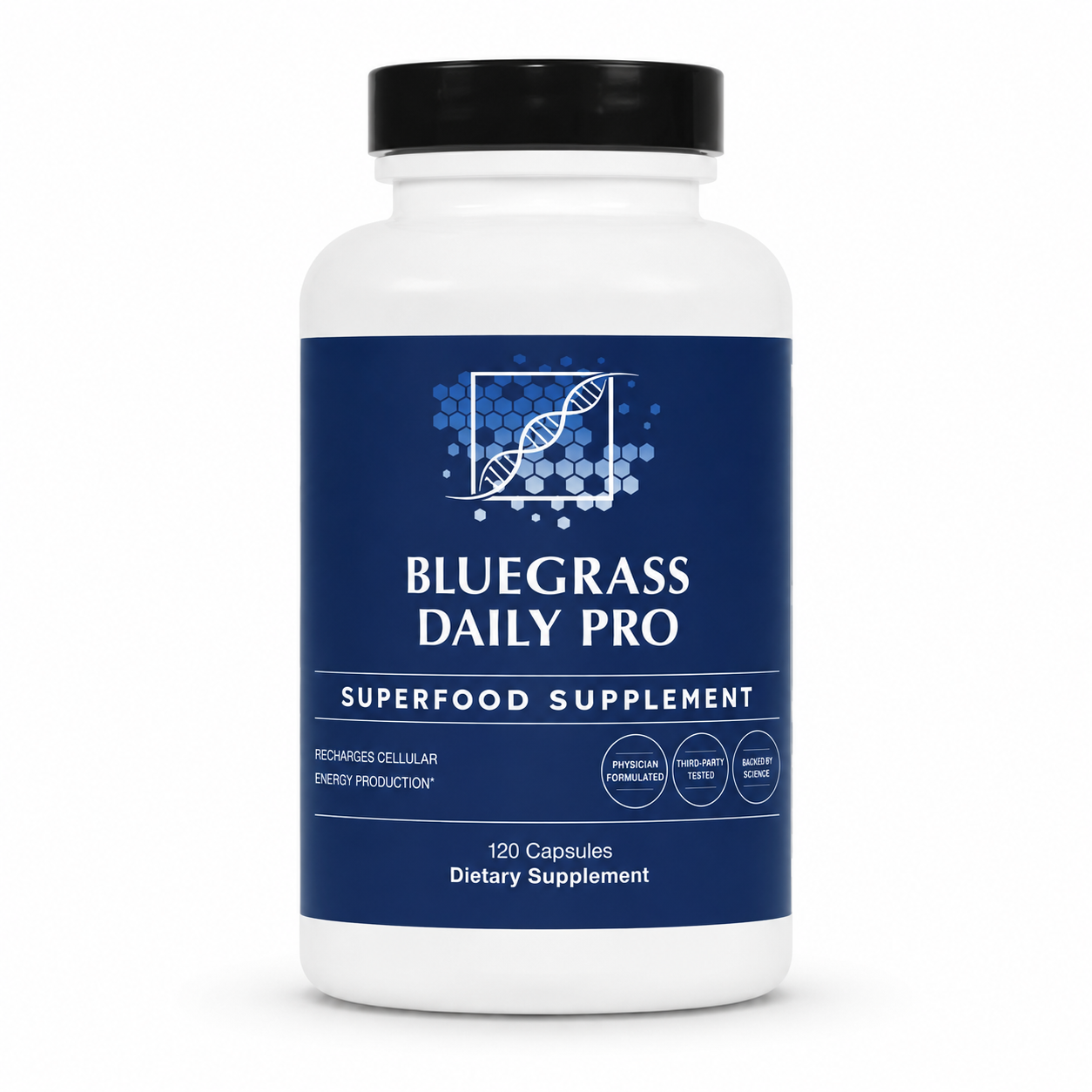
Bluegrass Daily Pro
A comprehensive daily formula with acetyl L-carnitine, alpha lipoic acid, and N-acetyl cysteine. Supports cellular energy production, immune function, and antioxidant protection, a solid single foundation to build around.
See ProductMyth #2
Healthy People Don't Need Routines
There is a common belief that routines are only for people trying to fix a problem, and that once you feel good you can coast. It tends to be the reverse. People who feel consistently well are usually the ones with quiet, repeatable habits running in the background. The routine is not evidence that something is wrong, it is part of why things are going right.
Foundational nutrition, hydration, movement, and sleep do their best work through repetition, not intensity. A simple daily rhythm helps maintain the baseline you already have, which is far easier than rebuilding it after it slips. Feeling good is a reason to keep a routine, not a reason to drop one.
A well-absorbed daily omega is a good example of quiet maintenance. Precision Omega uses a monoglyceride fish oil designed for enhanced absorption, and supports cardiovascular health and healthy mental functioning as a once-daily softgel. It is the kind of steady, foundational habit that keeps a good baseline steady.
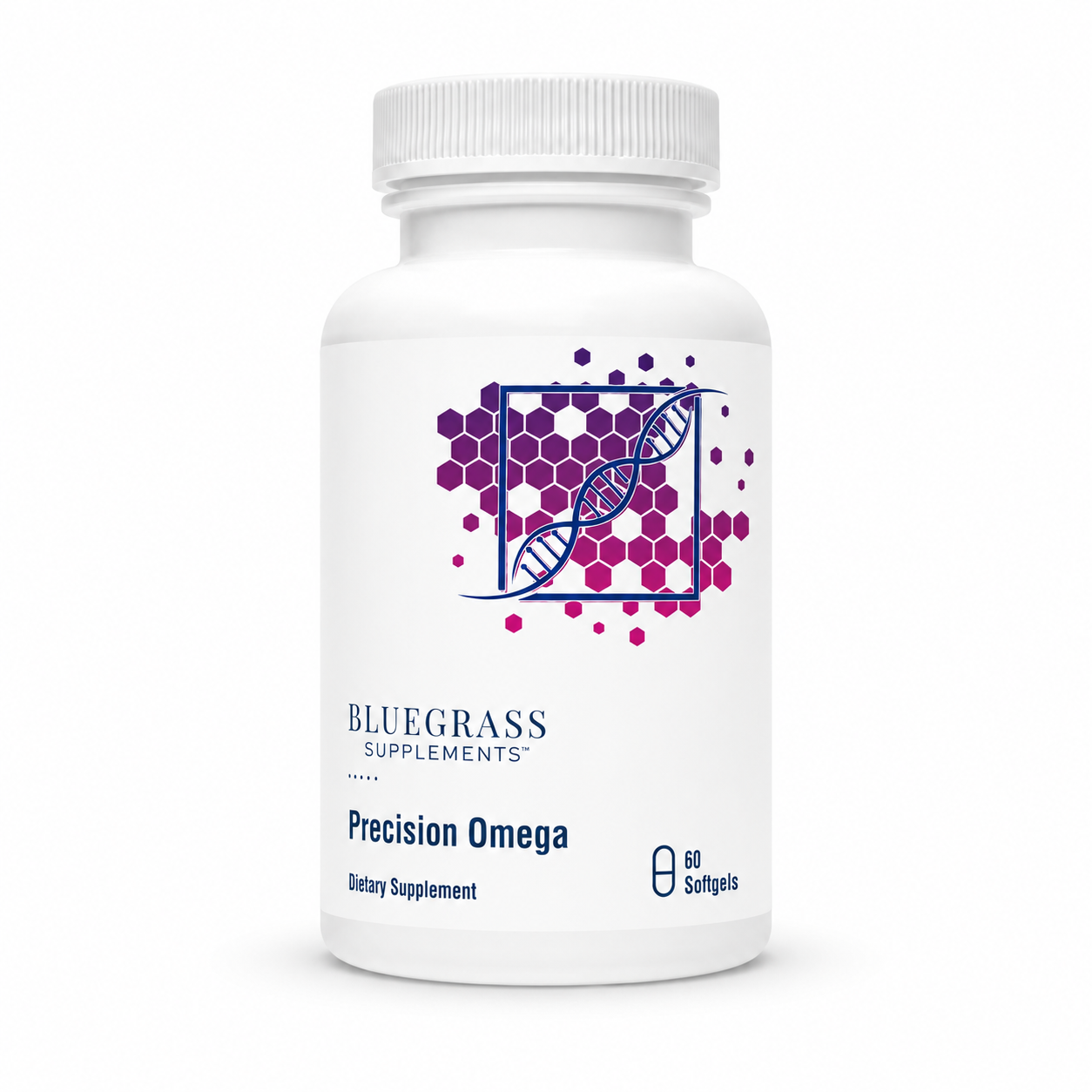
MaxSimil monoglyceride fish oil formulated for enhanced absorption. Supports cardiovascular health and healthy mental functioning in one daily softgel, an easy foundational habit to maintain.
See ProductThe reframe: a routine is not a sign of struggle. It is the maintenance that keeps a good baseline steady, and it is easiest to keep when it is simple.
Myth #3
Sleep Can Be "Made Up" Later
The idea that you can run on little sleep all week and repay the debt with a long weekend lie-in is one of the most persistent myths out there. Sleep is not a bank balance. Cramming extra hours on Saturday does not fully undo the effects of five short nights, and the irregular pattern can leave your sleep cycle more scattered, not more rested.
What actually helps is consistency: a regular wind-down and a steady bedtime most nights. Small evening cues that signal it is time to slow down make that far easier to keep. A short, repeatable ritual before bed does more for how you feel than any single marathon sleep-in.
A nightly capsule can be part of that wind-down cue. MindMag uses magnesium L-threonate, a form studied for its role in the brain, and supports stress management, sleep quality, and a healthy mood. Taken at the same time each evening, it helps anchor a consistent bedtime routine.
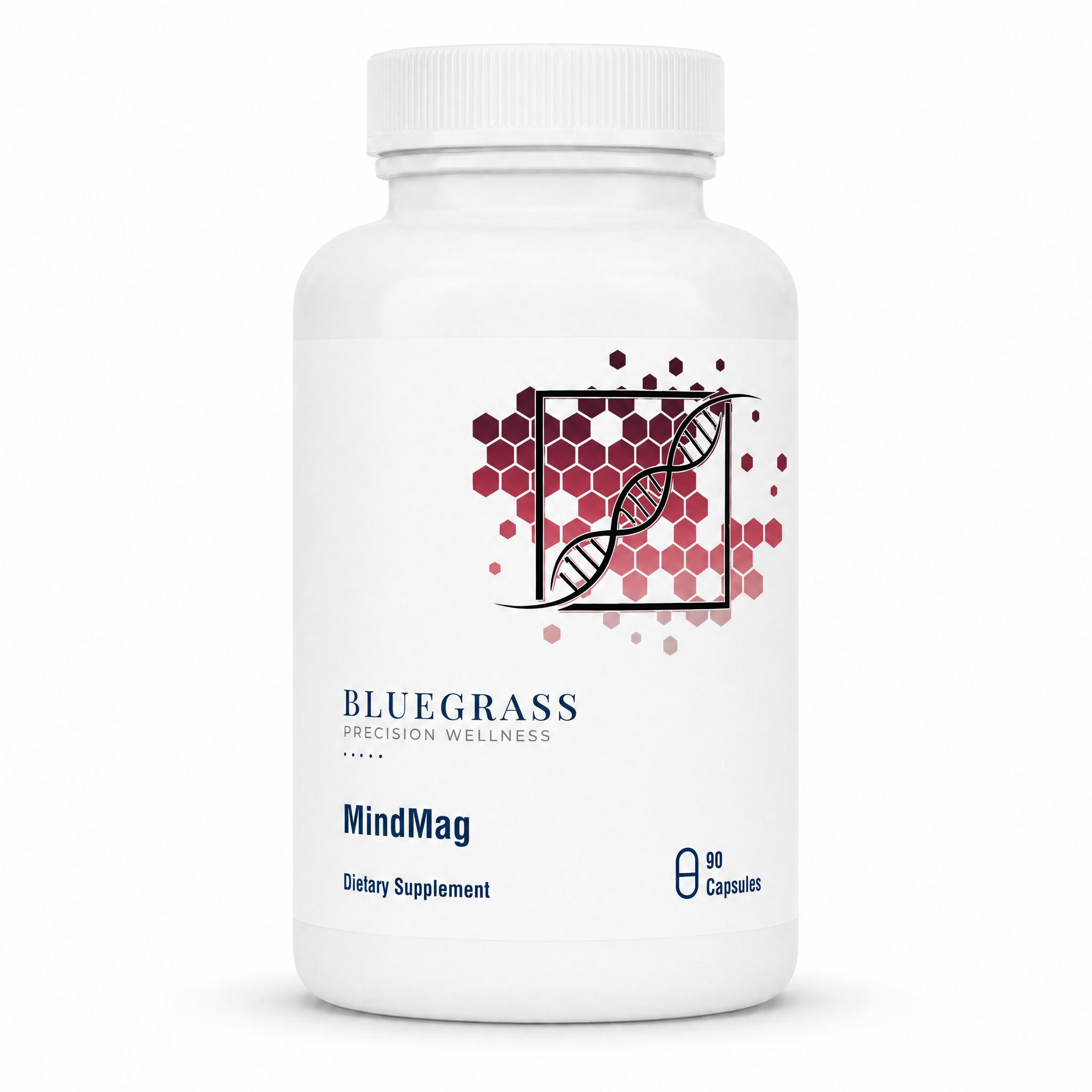
Magnesium L-threonate (Magtein) plus highly absorbable magnesium chelates. Supports cognitive clarity, a balanced mood, and sleep quality, an easy nightly anchor for a steady bedtime.
See ProductMyth #4
Wellness Has to Be Complicated
Perhaps the most discouraging myth of all is that real wellness requires an elaborate system: color-coded schedules, a cabinet full of powders, and an hour of effort a day. That picture is not only exhausting, it is fragile. The more complicated a routine is, the more easily it breaks the first time life gets busy.
Simple is what survives. A few well-chosen products, used at consistent moments in your day, will almost always outperform a sprawling regimen you cannot maintain. Convenient formats, like a single daily capsule or a pre-portioned packet, lower the friction that makes routines fall apart.
Ashwagandha is a good example of keeping it simple: one capsule daily, taken at a consistent moment in your day. It uses a well-studied adaptogen extract that supports a healthy stress response and restful sleep, in a single step that takes seconds to complete.

A concentrated, well-studied adaptogen extract (Shoden) that supports a healthy stress response and restful sleep. One capsule daily, an easy single-step habit to keep.
See ProductIf you would rather keep your whole foundation to a single, structured system, the Bluegrass Foundations Precision Pack brings your daily essentials into pre-portioned AM and PM packets. Fewer decisions, fewer bottles, and one simple habit to keep.
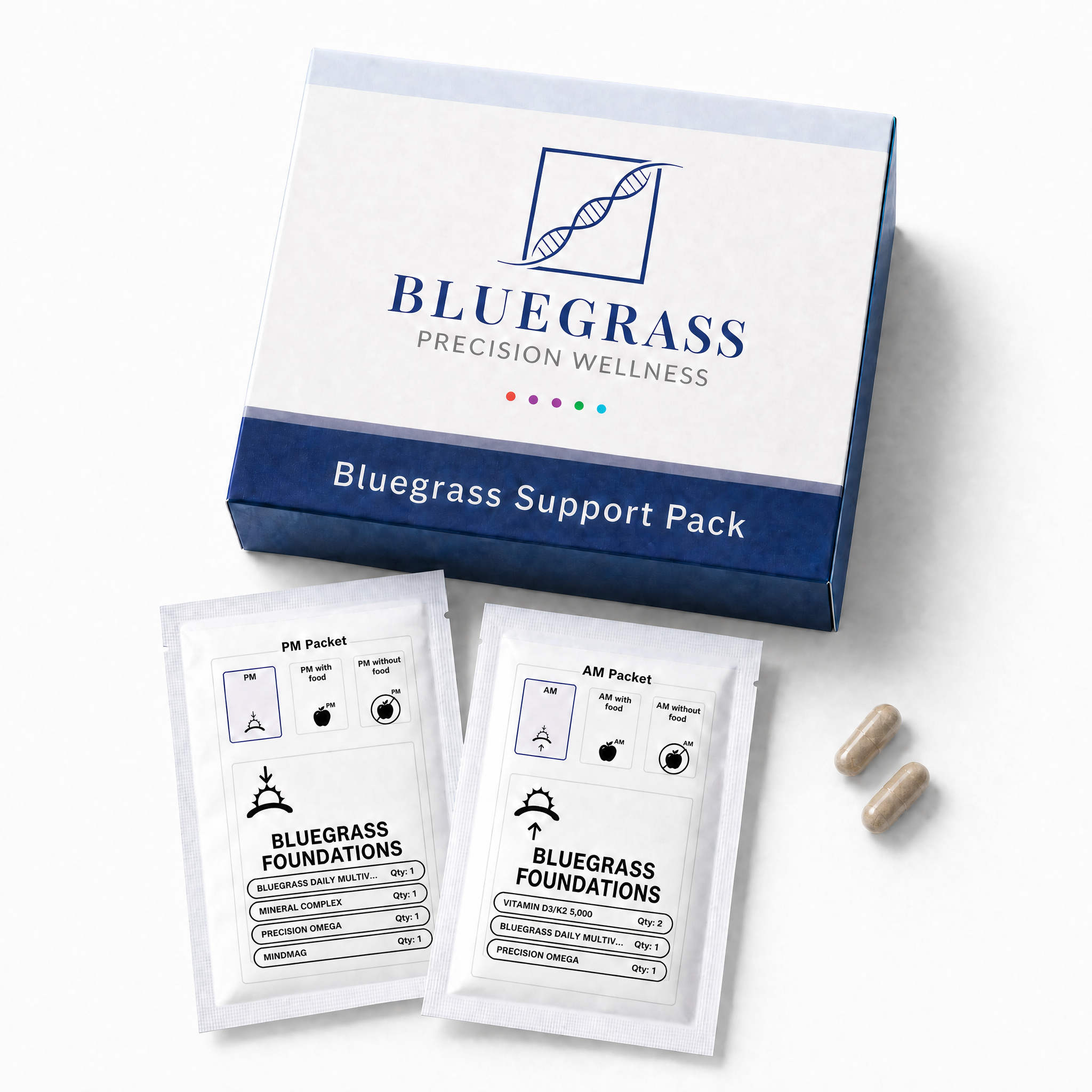
Pre-portioned AM and PM packets covering multivitamin, D3/K2, omega, and mineral support. A complete daily foundation in one structured system that keeps wellness uncomplicated.
See ProductKey Takeaways
- More supplements are not automatically better. Start with a solid foundation and add only what fits your needs.
- Routines are not just for fixing problems. Simple, repeatable habits are part of why a good baseline stays steady.
- Sleep cannot be fully "made up" on the weekend. A consistent bedtime and wind-down matter more than one long lie-in.
- Wellness does not have to be complicated. Simple routines are the ones that actually survive a busy week.
- Low-friction formats like a single daily capsule or a pre-portioned packet make a simple routine easier to keep.
Frequently Asked Questions
Q: How many supplements do I actually need?
There is no universal number, and more is not automatically better. A well-formulated multivitamin gives most people a broad foundation, and from there you can add one or two targeted products that fit your specific goals. Consult your healthcare professional for guidance on what is right for you.
Q: Can I really not catch up on sleep over the weekend?
A weekend lie-in can help you feel less tired, but it does not fully reverse the effects of a week of short nights, and the irregular pattern can leave your sleep cycle less steady. A consistent bedtime and wind-down routine most nights is far more effective than trying to make up sleep in a single stretch.
Q: I feel healthy already. Do I still need a routine?
Feeling well is a great reason to keep a simple routine, not to drop one. Foundational habits like nutrition, hydration, movement, and sleep help maintain the baseline you already have, which is easier than rebuilding it after it slips.
Q: How do I keep my routine simple?
Choose a few products you will actually use, tie them to consistent moments in your day, and favor low-friction formats like a single daily capsule or a pre-portioned packet. A short routine you can keep beats an elaborate one you abandon.
These statements have not been evaluated by the Food and Drug Administration. These products are not intended to diagnose, treat, cure, or prevent any disease. Consult your healthcare professional prior to use.
